Air Compressor Maintenance
Air compressors are indispensable tools used across various industries, including manufacturing, construction, automotive, and more. These versatile machines power pneumatic tools, spray guns, and other equipment, making them essential for efficient and effective operations. To ensure your air compressor performs optimally and lasts longer, regular maintenance is crucial.
What is an Air Compressor?
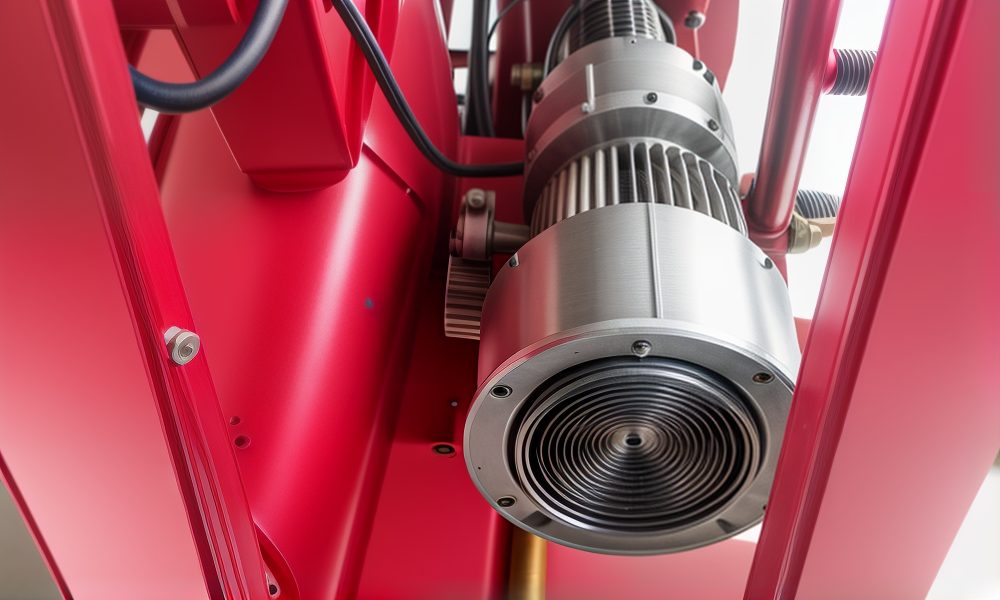
An air compressor is a device that converts power into potential energy stored in pressurized air. It works by drawing in air, compressing it, and storing it in a tank for future use. This compressed air is then released as needed to power various tools and machinery. From inflating tires to operating heavy-duty industrial equipment, air compressors play a vital role in numerous applications.

Advantages of regularly servicing your Air Compressor
Enhanced Efficiency
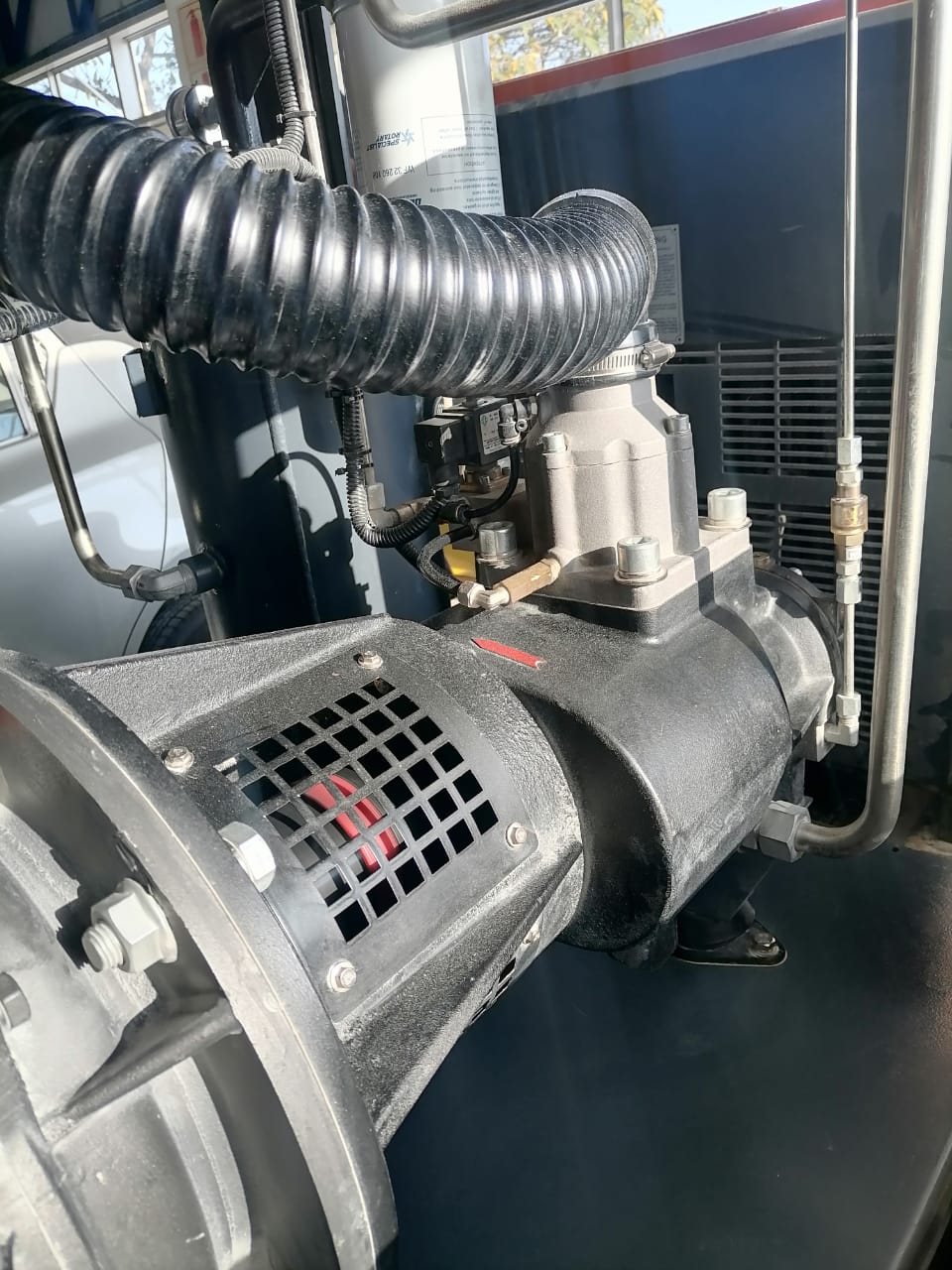
Well-maintained air compressors run more efficiently, reducing energy consumption and operational costs.
Extended Lifespan
Routine maintenance helps prevent wear and tear, significantly extending the life of your equipment.
Safety
Properly maintained compressors are less likely to fail, reducing the risk of accidents and ensuring a safer working environment.
Optimal Performance
Regular checks and servicing ensure that your air compressor delivers consistent and reliable performance, minimizing downtime.
Air compressor maintenance involves several key tasks:
Inspection and Cleaning
Regularly inspect and clean the compressor and its components to remove dust, dirt, and debris that can clog the system and reduce efficiency.
Oil Changes
For lubricated air compressors, changing the oil is crucial to ensure smooth operation and prevent overheating. Follow the manufacturer’s recommendations for oil type and change intervals.
Filter Replacement
Air filters and oil filters should be checked and replaced as needed to maintain clean air flow and prevent contaminants from entering the system.
Belt Tension and Alignment
Check the belts for wear and tear, and ensure they are properly tensioned and aligned. Loose or misaligned belts can reduce efficiency and cause damage to the compressor.
Drain the Tank
Regularly drain the moisture from the air compressor tank to prevent rust and corrosion. This is especially important in humid environments.
Check for Leaks
Inspect the entire system for air leaks, which can reduce efficiency and increase energy costs. Seal any leaks promptly.
Inspect Safety Features
Ensure all safety features, such as pressure relief valves and gauges, are functioning correctly to maintain a safe operating environment.
By following these maintenance steps, you can keep your Air Compressor in top condition, ensuring it operates efficiently and reliably for years to come.
Regular maintenance not only enhances performance but also safeguards your investment, making it a wise practice for any Air Compressor user.
For professional air compressor maintenance services, trust our experienced technicians to provide thorough and reliable care for your equipment. Contact us today to schedule your maintenance appointment and keep your air compressor running smoothly.