Rotary Screw Air Compressor
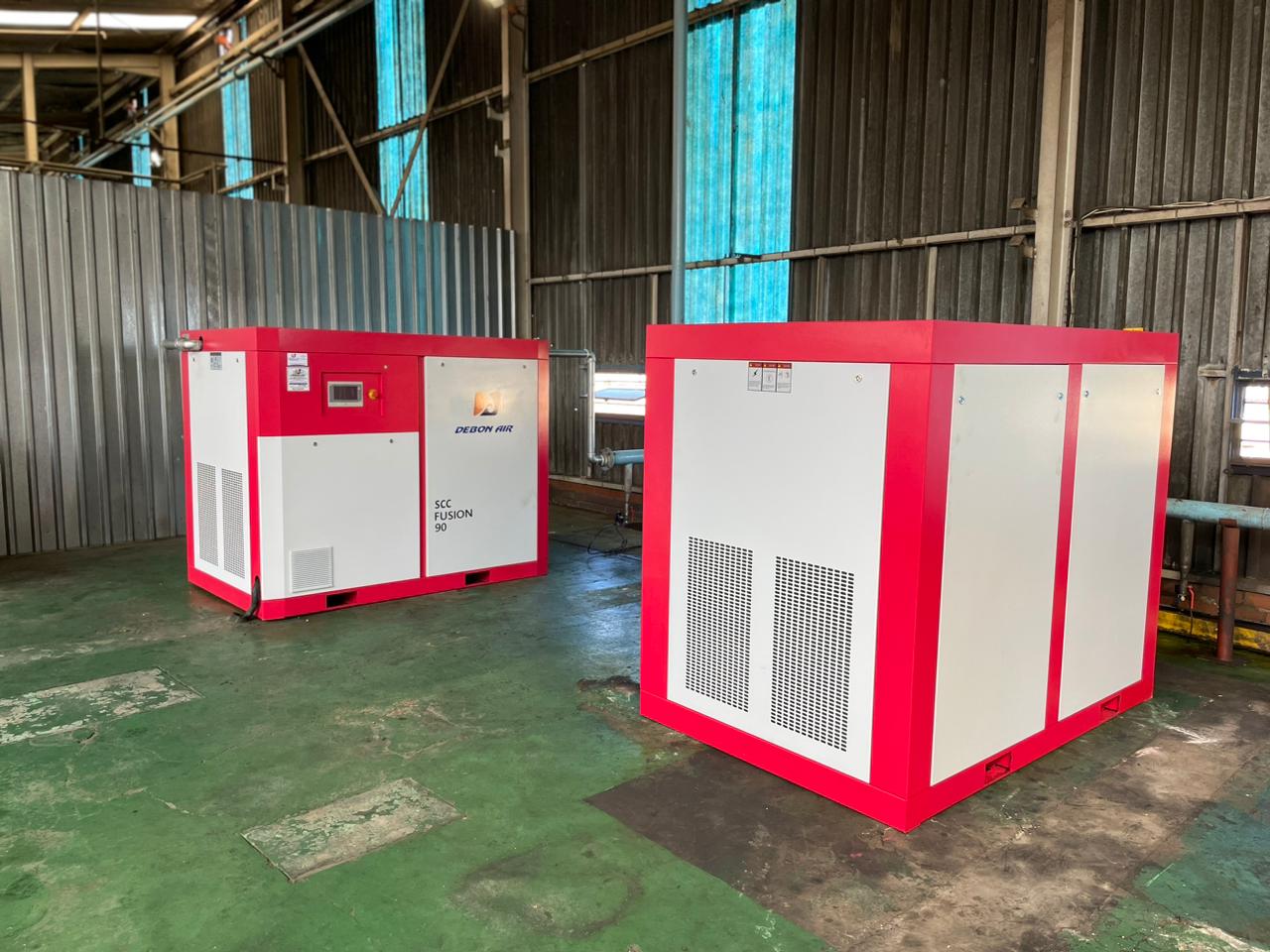
The rotary screw air compressor combines efficiency, durability, and user-friendly features to provide a dependable and cost-effective solution for various compressed air applications.
Rotary Screw Mechanism
Compact Design
Energy Efficiency
Designed for optimal energy use, rotary screw air compressors often feature advanced motor and airend technologies that significantly reduce power consumption. This translates to lower operating costs and a more environmentally friendly operation.
Advanced Control Systems
Low Noise Operation
Reduced Maintenance Needs
Durability and Reliability
Technical Specifications:
Compressor Type: Rotary Screw
Capacity: Typically ranges from 5 to 500 horsepower (HP)
Air Flow Rate: 10 to 2,000 cubic feet per minute (CFM)
Maximum Pressure: Up to 175 psi (pounds per square inch)
Power Supply: Usually 230V or 460V, 3-phase, 60Hz (varies based on model)
Air Receiver Size: Common sizes range from 30 to 300 gallons
Oil Type: Synthetic or mineral oil, depending on the compressor’s design
Dimensions:
Length: Varies by model, typically between 36 to 80 inches
Width: Generally ranges from 20 to 40 inches
Height: Usually between 40 to 75 inches
Weight: Depends on the size and capacity, ranging from 500 to 2,500 pounds
Cooling System: Air-cooled or water-cooled options available
Control System: Advanced microprocessor-based controllers with touchscreen or digital displays
Noise Level: Generally between 60 to 80 decibels (dB), with some models offering soundproof enclosures
Filtration System: Integrated air and oil filters for cleaner air output
Startup Method: Includes both direct-on-line (DOL) and variable frequency drive (VFD) options
Warranty: Typically 1 to 2 years, depending on the manufacturer
Maintenance Intervals: Recommended oil changes and filter replacements based on operating hours
Dimensions:
Length: Varies by model, typically between 36 to 80 inches
Width: Generally ranges from 20 to 40 inches
Height: Usually between 40 to 75 inches
Weight: Depends on the size and capacity, ranging from 500 to 2,500 pounds
The Importance of Air Generator Maintenance
Reliability
Efficiency
Longevity
Safety
Compliance
Our comprehensive air generator maintenance services include several key steps to keep your equipment in top condition:
Initial Inspection and Assessment
Cleaning
Lubrication
Proper lubrication of moving parts is essential to prevent friction and wear. We ensure all necessary components are adequately lubricated to maintain smooth operation.
Filter Replacement
Air filters play a crucial role in maintaining air quality and preventing contaminants from entering the system. We replace old or clogged filters to ensure optimal airflow and performance.
Checking and Tightening Connections
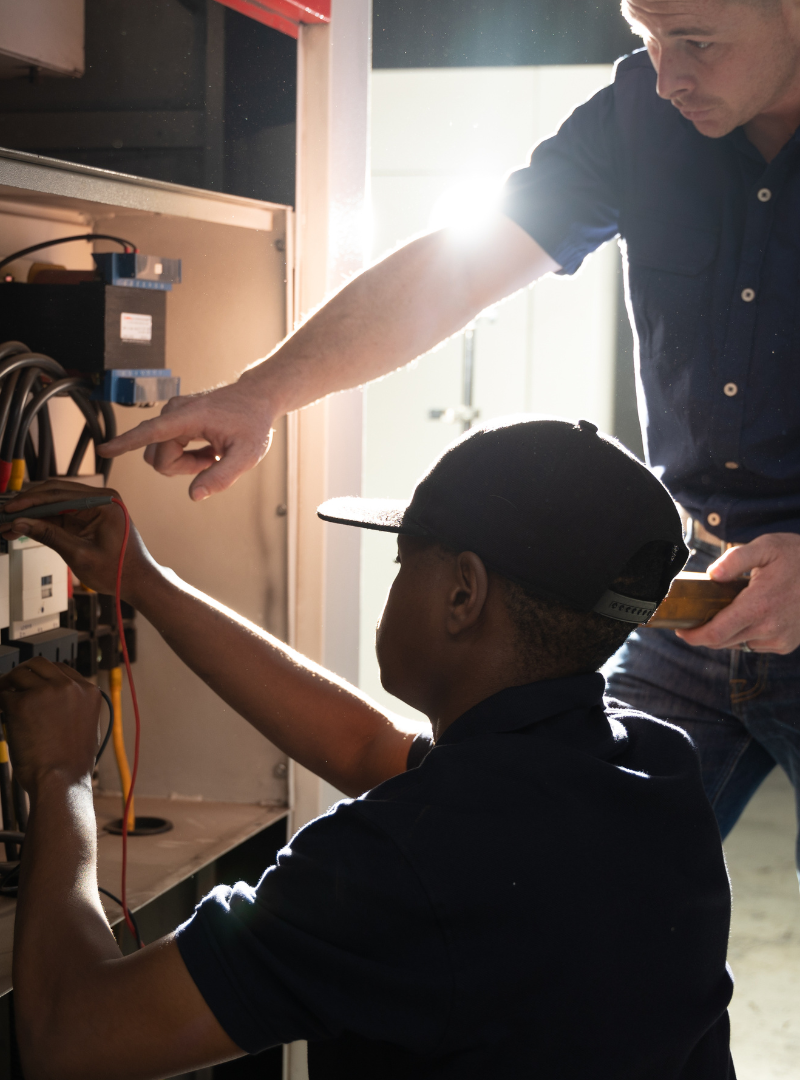
Loose or corroded connections can lead to inefficiencies and potential failures. Our technicians inspect and tighten all electrical and mechanical connections to ensure stability and safety.
Oil Changes
Testing and Calibration
Review and Documentation
By following these maintenance steps, you can keep your Generator in top condition, ensuring it operates efficiently and reliably for years to come. Regular maintenance not only enhances performance but also safeguards your investment, making it a wise practice for any Generator user.
Let us help you maintain the efficiency, reliability, and longevity of your generator, ensuring a continuous and safe supply of compressed air for your operations.
Technical Specifications: